
Lesson 14: 一个人过年多没意思啊 Yí gè rén guònián duō méi yìsi a
目标 Objectives
- 能听懂并描述某处存在某人或某物。Be able to understand and describe the presence of a person or an object in a certain place.
- 能听懂并使用复合趋向补语表达动作的方向。Be able to understand and use compound complements of direction to express the direction of an action.
- 掌握程度副词“多”的用法,能表达程度很高的意思。Master the use of the adverb of degree “多” to express a high degree of something.
热身 Warm-Up
1 给下面的词语选择对应的图片。Match the words with the pictures.
2 看图片,说一说画面中有什么。Look at the pictures and talk about what you can see in these pictures.
课文1 Text 1
在回家路上,李文和王一飞边走边聊。On their way home, Li Wen and Wang Yifei were walking and chatting.
听力问题 (14-1): (1)李文看见哪儿有一个人? (2)那个人手里拿着什么?
李文
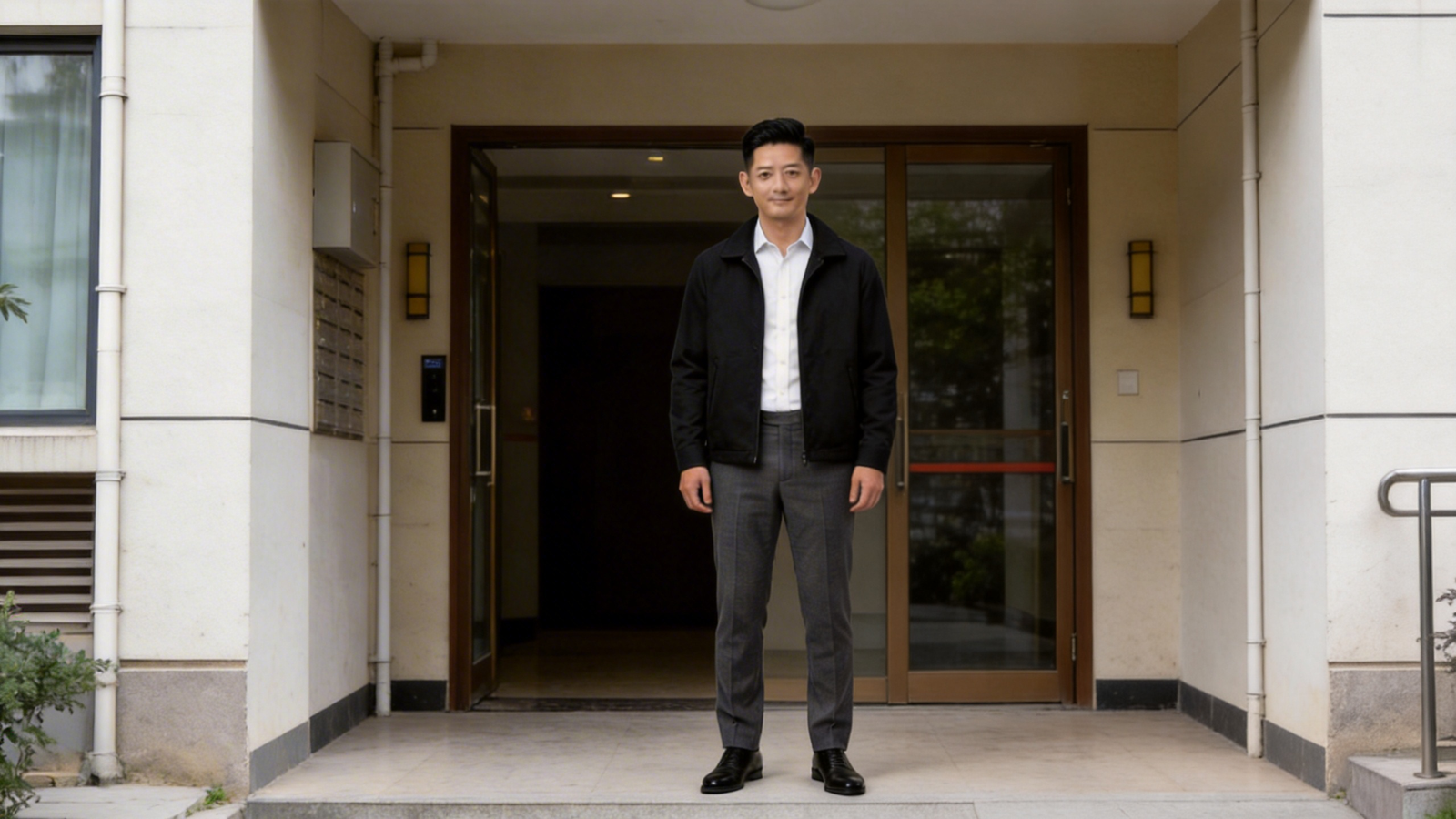
王老师,你家楼下站着一个人。
王一飞
我家楼下?我看看。
李文
那个人穿着黑色的裤子,手里还拿着一个黑色的包。
王一飞
我看见那个人了,他是我男朋友。
李文
那我们快过去吧。
Li Wen: Ms. Wang, there's someone standing downstairs at your building.
Wang Yifei: Downstairs at my building? Let me take a look.
Li Wen: That person is wearing black pants and holding a black bag.
Wang Yifei: I see him. He is my boyfriend.
Li Wen: Let's go over quickly then.
Wang Yifei: Downstairs at my building? Let me take a look.
Li Wen: That person is wearing black pants and holding a black bag.
Wang Yifei: I see him. He is my boyfriend.
Li Wen: Let's go over quickly then.
读后回答问题: (1)那个人穿着什么? (2)那个人是来找谁的?
课文2 Text 2
在楼下,王一飞见到杨同乐。Downstairs, Wang Yifei met Yang Tongle.
听力问题 (14-3): (1)杨同乐为什么来找王一飞? (2)李文住在哪儿?

王一飞
同乐,真是你啊!上次打电话,你说有时间过来看我,没想到这么快就来了!
杨同乐
就要过年了,你一个人在这儿多没意思啊,所以我就早早过来了。
王一飞
你能来,我太高兴了!
杨同乐
一飞,你旁边这位是?
王一飞
同乐,这是李文,他在我们学校学医。李文,这是我男朋友杨同乐。
杨同乐
李文,很高兴认识你!
李文
认识你我也很高兴!我家就在前面那个楼,有时间来玩。
Wang Yifei: Tongle, it really is you! Last time we talked on the phone, you said you'd visit me when you had time. I didn't expect you to come so soon!
Yang Tongle: The Spring Festival is almost here. It's no fun for you to be here all alone, so I come here as soon as possible.
Wang Yifei: I'm so happy you could come!
Yang Tongle: Yifei, who's this next to you?
Wang Yifei: Tongle, this is Li Wen. He's studying medicine at our school. Li Wen, this is my boyfriend, Yang Tongle.
Yang Tongle: Li Wen, nice to meet you!
Li Wen: Nice to meet you too! My home is just in that building up ahead. Feel free to come over when you have time.
Yang Tongle: The Spring Festival is almost here. It's no fun for you to be here all alone, so I come here as soon as possible.
Wang Yifei: I'm so happy you could come!
Yang Tongle: Yifei, who's this next to you?
Wang Yifei: Tongle, this is Li Wen. He's studying medicine at our school. Li Wen, this is my boyfriend, Yang Tongle.
Yang Tongle: Li Wen, nice to meet you!
Li Wen: Nice to meet you too! My home is just in that building up ahead. Feel free to come over when you have time.
读后回答问题: (1)杨同乐来了,王一飞高兴吗? (2)王一飞是怎么给他们介绍的?
课文3 Text 3
在王一飞家里,王一飞和杨同乐在客厅聊天儿。At Wang Yifei's home, Wang Yifei and Yang Tongle were chatting in the living room.
听力问题 (14-5): (1)王一飞的房子怎么样? (2)王一飞教楼下的小孩儿做什么?

杨同乐
一飞,你住的房子真不错,很大,离学校也不远。
王一飞
是啊!我楼下还住着一家中国人,他们人很好。
杨同乐
这样你有事情就可以找他们帮忙。
王一飞
对,我也帮他们家的小孩儿学中文。
杨同乐
我记得你跟我说过,是个女孩儿,学得也很好。
王一飞
没错,她经常跑上来找我玩。
杨同乐
你问问他们什么时候有时间,我请他们吃个饭。
Yang Tongle: Yifei, your house is really nice, very big, and not far from school.
Wang Yifei: Yes! There's a Chinese family living downstairs, and they are very nice.
Yang Tongle: Then you can ask them for help if you ever need anything.
Wang Yifei: Yes, I also help their child learn Chinese.
Yang Tongle: I remember you told me that child was a girl, and she learned so well.
Wang Yifei: Exactly, she often comes upstairs to play with me.
Yang Tongle: You can ask them when they're free, and I'll treat them to a meal.
Wang Yifei: Yes! There's a Chinese family living downstairs, and they are very nice.
Yang Tongle: Then you can ask them for help if you ever need anything.
Wang Yifei: Yes, I also help their child learn Chinese.
Yang Tongle: I remember you told me that child was a girl, and she learned so well.
Wang Yifei: Exactly, she often comes upstairs to play with me.
Yang Tongle: You can ask them when they're free, and I'll treat them to a meal.
读后回答问题: (1)王一飞家楼下住着什么人? (2)杨同乐要请楼下的人做什么?
课文4 Text 4
判断正误 (14-7): (1)王一飞很喜欢唱歌跳舞。 (2)王一飞认识杨同乐的姐姐。
我男朋友姓杨,叫杨同乐。他高个子、大眼睛,唱歌唱得很好,跳舞跳得也不错。他和我姐姐一起工作,是姐姐介绍我们认识的。他告诉我,从见到我的第一天开始,他就喜欢上我了。
提示Tips: “喜欢上”表示开始喜欢,并一直喜欢下去。“喜欢上” means to start liking something and continue to like it.

My boyfriend's last name is Yang, and his full name is Yang Tongle. He is tall, has big eyes, sings very well, and is also good at dancing. He and my cousin (elder sister) work together, and it was my cousin who introduced us. He told me that he liked me from the very first day he met me.
读后选择正确答案:
(1)杨同乐跟谁一起工作? A.王一飞 B.王一飞的姐姐 C.王一飞的朋友
(2)是谁介绍王一飞和杨同乐认识的? A.他们的朋友 B.王一飞的姐姐 C.杨同乐的姐姐
(1)杨同乐跟谁一起工作? A.王一飞 B.王一飞的姐姐 C.王一飞的朋友
(2)是谁介绍王一飞和杨同乐认识的? A.他们的朋友 B.王一飞的姐姐 C.杨同乐的姐姐
生词 New Words
语法点 Grammer
1 存现句(2) Existential Sentences (2)
动态助词“着”用在动词后面可以构成存现句,动词前面是表示处所的短语,后面一般是不确指的人或事物。基本结构:处所+动词+着+人/事物。
The aspect particle “着” is placed after a verb to form an existential sentence. The phrase before the verb usually indicates a location, and the phrase after the verb generally refers to unspecified people or things. Basic structure: Location+Verb+着+People/Things.- (1) 你家楼下站着一个人。
- (2) 爸爸手里拿着一杯咖啡。
- (3) 那间教室里坐着不少学生。
2 程度副词“多” Adverb of Degree “多”
“多”用在感叹句中,表示程度很高。
“多” is used in exclamatory sentences to express a high degree.- (1) 你一个人在这儿多没意思啊!
- (2) 我们一起去多好啊!
- (3) 多好看啊!买这件吧。
3 复合趋向补语 Compound Complement of Direction
“上、下、进、出、回、过”加上“来/去”,以及“起来”,用在动词后,可以构成复合趋向补语,表示动作的方向。
Verbs “上”, “下”, “进”, “出”, “回”, and “过”, combined with “来”, “去”, and “起来” are used after a verb to form compound complements of direction, indicating the direction of an action.- (1) 她经常跑上来找我玩。
- (2) 楼不高,我们走上去吧。
- (3) 一听到老师叫他的名字,他就站起来了。
当动词带宾语时,有两种情况:(1)宾语是地点名词,放在“来/去”前面; (2)宾语是事物名词,放在“来/去”前后都可以。
When there is an object, there are two situations: (1) if the object is a noun of locality, it should be placed before “来/去”; (2) if the object is a noun of thing, it can be placed either before or after “来/去”.- (1) 同学们都走出教室去了。
- (2) 妈妈让我买回一些菜来。
- (3) 白家月从书包里找出来一个漂亮的本子。