
Lesson 15: 我想再去一次中国 Wǒ xiǎng zài qù yí cì Zhōngguó
目标 Objectives
- 能听懂并谈论旅游的计划。Be able to understand and talk about travel plans.
- 能听懂并使用动量补语表达动作或事情发生的次数。Be able to understand and use complements of frequency to express the number of times an action or an event occurs.
- 掌握“有”字句(2)的用法,能说明达到了一定的数量。Master the use of “有” sentence (2) to indicate reaching a certain quantity.
热身 Warm-Up
1 给下面的词语选择对应的图片。Match the words with the pictures.
2 根据自己的实际情况,说说下列行为发生的频率。Based on your own situation, talk about the frequency of the following actions.
| 项目 Action | 时间 Time | 次数 Frequency |
|---|---|---|
| 运动 | 一个星期 | ____ 次 |
| 看电影 | 一个月 | ____ 次 |
| 去旅游 | 一年 | ____ 次 |
课文1 Text 1
在教室,同学们在考试。In the classroom, the students were taking an exam.
听力问题: (1)同学们要开始做什么? (2)白家月去过几次中国?

王一飞
考试就要开始了。请大家写上姓名,写好后就可以做题了。
白家月
老师,我做完了。
陈天中
老师,我也做完了。
王一飞
对了,你们考完试想做什么?
白家月
我很想去中国。虽然去过一次,但是很想再去一次。
王一飞
不错,到中国后你就可以经常说中文了。
Wang Yifei: The exam is about to begin. Please write down your name, and once you're done, you can start answering the questions.
Bai Jiayue: Teacher, I'm finished.
Chen Tianzhong: Teacher, I'm finished too.
Wang Yifei: ... Oh, what are you going to do after the exam?
Bai Jiayue: I want to go to China. I've been there once, but I really want to go again.
Wang Yifei: Good, you can often speak Chinese in China.
Bai Jiayue: Teacher, I'm finished.
Chen Tianzhong: Teacher, I'm finished too.
Wang Yifei: ... Oh, what are you going to do after the exam?
Bai Jiayue: I want to go to China. I've been there once, but I really want to go again.
Wang Yifei: Good, you can often speak Chinese in China.
课文2 Text 2
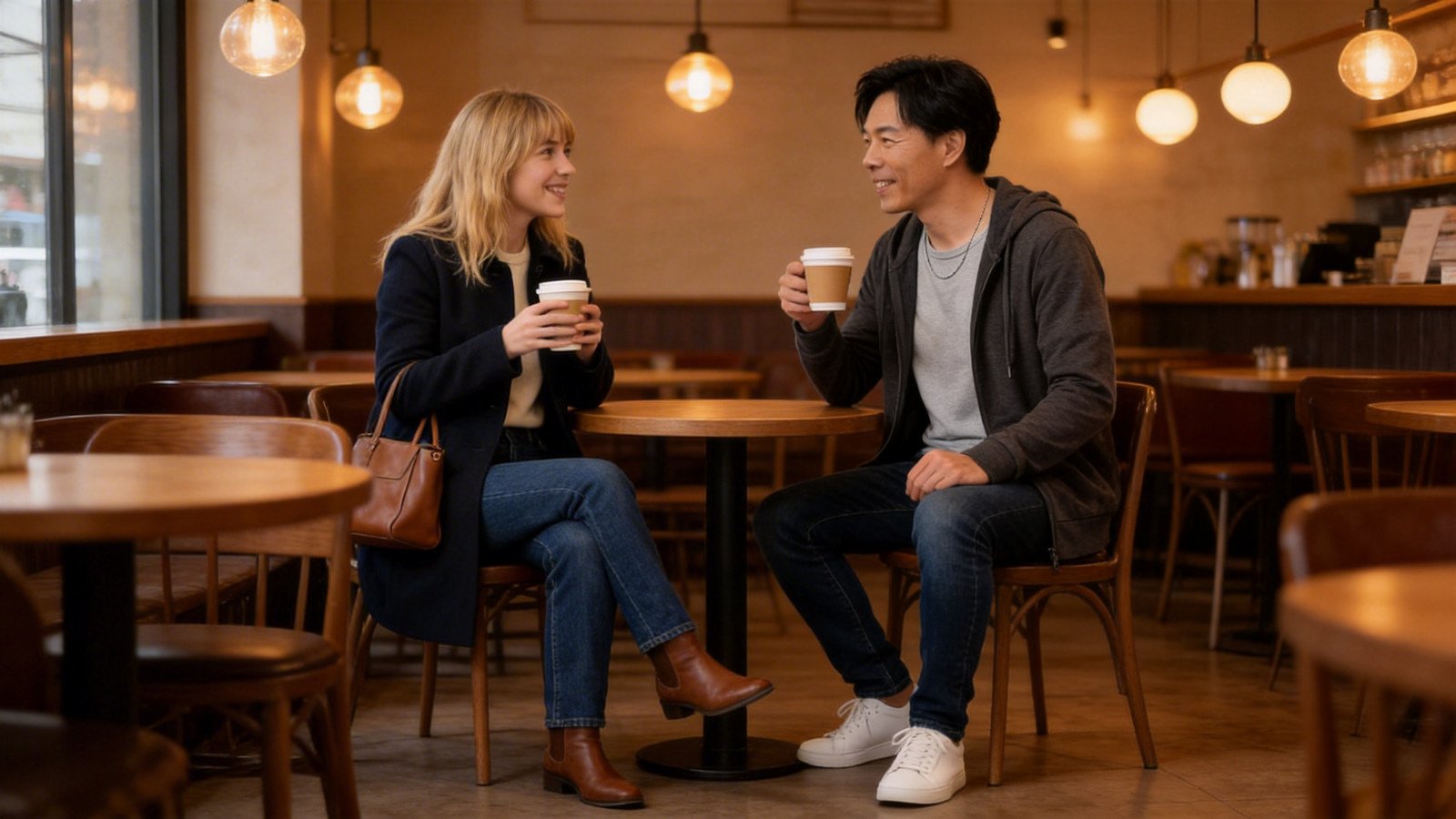
在咖啡店,李文和白家月在聊天儿。In the café, Li Wen and Bai Jiayue were chatting.
听力问题: (1)白家月要去哪儿? (2)李文的高中同学在哪儿工作?
白家月
考完试了。我现在可以出国旅游了。
李文
你要去哪儿?
白家月
我要再去一次北京。
李文
为什么还去北京?
白家月
因为我想再吃一次烤鸭,再喝一次奶茶,再去北京大学看一次电影......
李文
你想做的事情很多啊!
白家月
是啊,你看,我还在网上买好颐和园的门票了呢。
李文
我的高中同学就在颐和园上班,可以让他给你好好介绍介绍。
白家月
太好了!出门旅游,多个朋友多条路。
Bai Jiayue: The exam is over, so now I can travel abroad.
Li Wen: Where are you planning to go?
Bai Jiayue: I want to go to Beijing again.
Li Wen: Why Beijing again?
Bai Jiayue: Because I want to eat Peking Duck again, drink bubble tea again, and watch a movie at Peking University again...
Li Wen: You want to do a lot of things!
Bai Jiayue: Yes, look, I've already bought a ticket for the Summer Palace online.
Li Wen: One of my high school classmates works at the Summer Palace, and he can give you a great tour.
Bai Jiayue: That's amazing! When you travel, the more friends you have, the more paths you have.
Li Wen: Where are you planning to go?
Bai Jiayue: I want to go to Beijing again.
Li Wen: Why Beijing again?
Bai Jiayue: Because I want to eat Peking Duck again, drink bubble tea again, and watch a movie at Peking University again...
Li Wen: You want to do a lot of things!
Bai Jiayue: Yes, look, I've already bought a ticket for the Summer Palace online.
Li Wen: One of my high school classmates works at the Summer Palace, and he can give you a great tour.
Bai Jiayue: That's amazing! When you travel, the more friends you have, the more paths you have.
课文3 Text 3
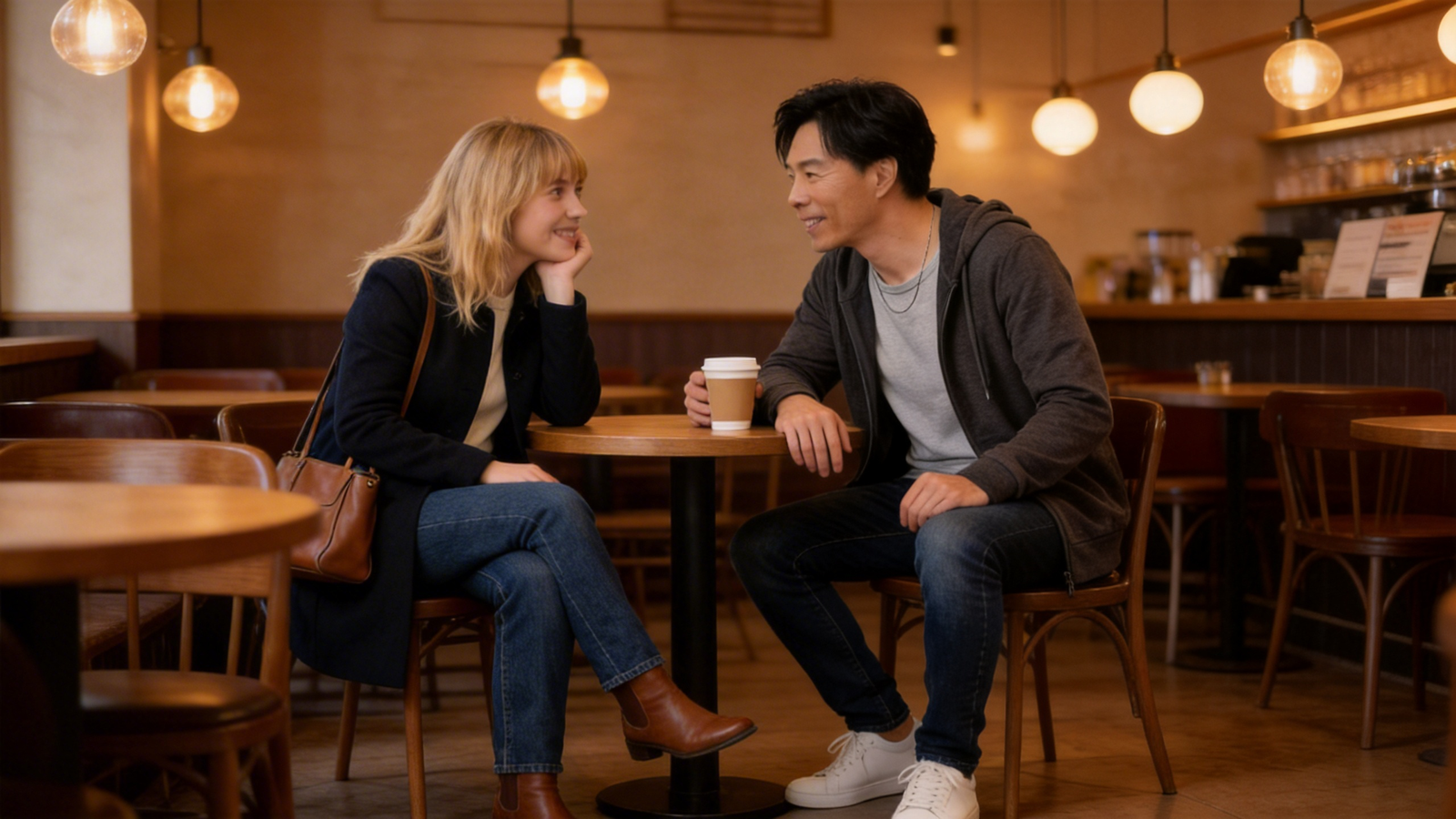
在咖啡店,李文和白家月在聊天儿。In the café, Li Wen and Bai Jiayue were chatting.
听力问题: (1)李文多长时间没回国了? (2)白家月这次买的机票怎么样?
白家月
李文,你有一年没回国了吧?
李文
不到一年。我六月的时候回去了一次。
白家月
我怎么忘了?还是我送你去的机场呢。
李文
是啊。
白家月
我记得你那次的机票很便宜。
李文
没错,可能因为那个时候去北京的人不多吧。
白家月
这次的机票虽然有点儿贵,但想到就要飞北京了,我还是很高兴的。
Bai Jiayue: Li Wen, you haven't been back to China for a year, right?
Li Wen: Not quite a year. I went back once this June.
Bai Jiayue: How could I forget? I was the one who took you to the airport.
Li Wen: Yes.
Bai Jiayue: I remember your air ticket was very cheap.
Li Wen: Exactly. Maybe it was because there weren't many people going to Beijing at that time.
Bai Jiayue: The air ticket is a little expensive this time, but I am so happy thinking about going to Beijing.
Li Wen: Not quite a year. I went back once this June.
Bai Jiayue: How could I forget? I was the one who took you to the airport.
Li Wen: Yes.
Bai Jiayue: I remember your air ticket was very cheap.
Li Wen: Exactly. Maybe it was because there weren't many people going to Beijing at that time.
Bai Jiayue: The air ticket is a little expensive this time, but I am so happy thinking about going to Beijing.
课文4 Text 4
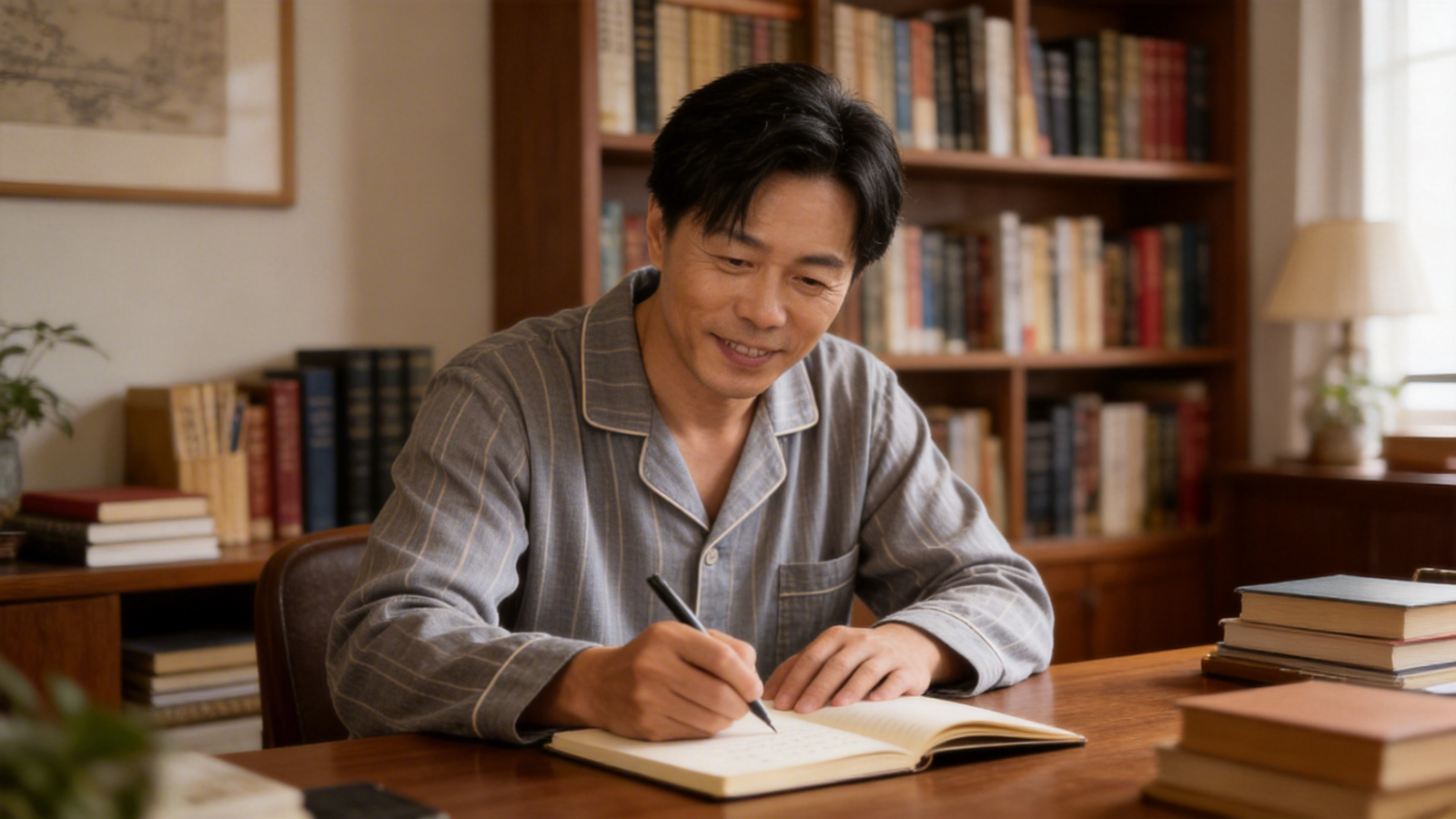
在房间,李文在写日记。In the room, Li Wen was writing in his diary.
判断正误: (1)李文经常回北京,所以不想家。 (2)李文、白家月跟鸟一起回北京。
我六月的时候回过一次北京,现在有半年多没回去了,我有点儿想家。就要过年了,我要回家过年。家月这次也要去北京,我们都是星期五的飞机。家月说我们好像小鸟,一起飞到北京,再一起飞回这里。
I went back to Beijing once this June, and now it has been over six months since I last went back. I miss home a bit. The Spring Festival is coming, and I'll be going back to celebrate it. Jiayue is also going to Beijing-we're both on the same flight this Friday. Jiayue said we are like little birds, flying to Beijing together and then flying back here together.
生词 New Words
语法点 Grammer
1 动量补语(1) Complement of Frequency (1)
“数词+次”用在动词后面,构成动量补语,表示动作发生的次数。动词同时带宾语时,如果宾语是人名或地名,放在动量补语前后都可以。
“Numeral+次” is used after a verb to form a complement of frequency, indicating the number of times an action occurs. When the verb is followed by an object, if the object is a person's name or a place name, it can be placed either before or after the complement.- (1) 我想去中国,虽然去过一次,但是很想再去一次。
- (2) 安妮去过一次北京。
- (3) 李文见了杨同乐两次。
2 动量补语(2) Complement of Frequency (2)
动词既带动量补语,又带宾语时,如果宾语是事物名词,一般放在动量补语后面; 如果宾语是代词,放在动量补语前面。
When a verb is followed by both a complement of frequency and an object; if the object is a thing noun, it is generally placed after the complement of frequency; if the object is a pronoun, it is placed before the complement of frequency.- (1) 因为我想再吃一次烤鸭,再喝一次奶茶。
- (2) 我想找他一次。
- (3) 安妮来过这儿两次。
3 “有”字句(2) “有” Sentence (2)
“有+数量短语”表示达到一定的数量。
“有+Numeral-Measure Word Phrase" indicates reaching a certain quantity.- (1) 你有一年没回国了吧?
- (2) 你女儿今年有10岁了吗?
- (3) 我有一个月没给家里打电话了。