
Lesson 2: 还是打车去北大吧 Háishi dǎchē qù Běidà ba
热身 Warm-Up
1. 给下面的词语选择对应的图片。Match the words with the pictures.
2. 说说下列情况中,你更喜欢哪种方式。Think about the following situations and say which way you prefer.
| 情况 Situations | 方式1 Option 1 | 方式2 Option 2 |
|---|---|---|
| 去旅游的时候 | 坐火车去 | 坐飞机去 |
| 很晚下班的时候 | 回家做饭 | 去饭店吃饭 |
| 星期六的晚上 | 在家休息 | 去看电影 |
课文1 Text 1
在宾馆前台,白家月和安妮向服务员咨询。
问题: (1)白家月和安妮想去哪儿? (2)白家月和安妮怎么去那儿?
问题: (1)白家月和安妮想去哪儿? (2)白家月和安妮怎么去那儿?

白家月
请问,这儿有到北京大学的公交车吗?
服务员
有,但车站有点儿远。
白家月
这儿好打车吗?
服务员
好打车。
白家月
谢谢。安妮,我们还是打车去吧。
安妮
好,没问题。
提示Tips: 这里“好”的意思是“容易”。Here, “好” means “easy”.
Bai Jiayue: Excuse me, is there a bus from here to Peking University?
Receptionist: Yes, but the bus stop is a bit far.
Bai Jiayue: Is it easy to get a taxi around here?
Receptionist: Yes, it is.
Bai Jiayue: Thank you. Annie, let's take a taxi instead.
Annie: Okay, no problem.
Receptionist: Yes, but the bus stop is a bit far.
Bai Jiayue: Is it easy to get a taxi around here?
Receptionist: Yes, it is.
Bai Jiayue: Thank you. Annie, let's take a taxi instead.
Annie: Okay, no problem.
课文2 Text 2
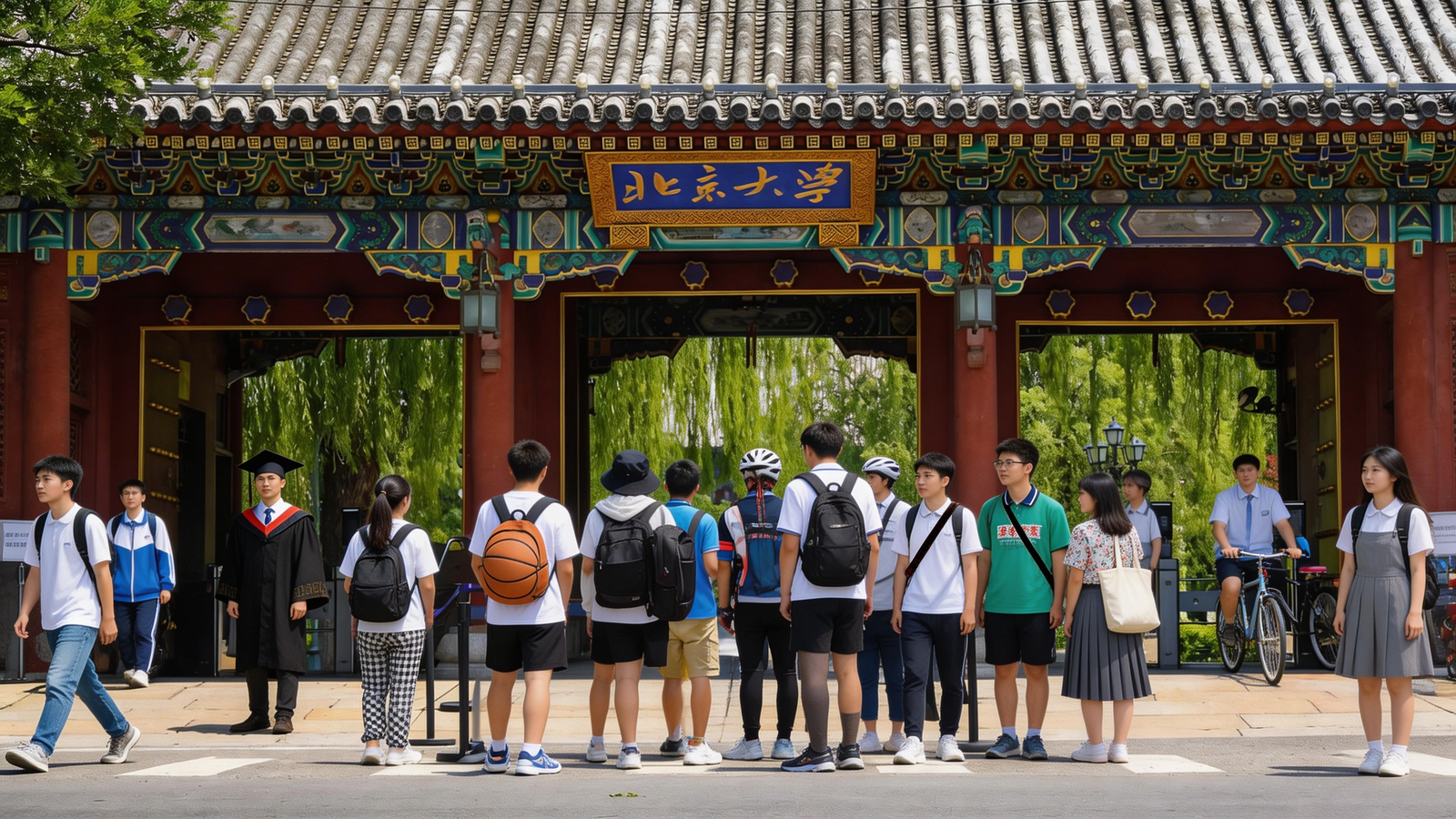
在北京大学,白家月和安妮在参观校园。
问题: (1)北京大学里人多不多? (2)北京大学有多少外国学生?安妮是怎么知道的?
问题: (1)北京大学里人多不多? (2)北京大学有多少外国学生?安妮是怎么知道的?
白家月
学校里人真多啊!
安妮
是啊,北京大学有四万多名学生呢!
白家月
你是怎么知道的?
安妮
是网上说的,网上还说北京大学有三千多名外国学生。
白家月
我也想来这儿学习。
安妮
那边就有一间教室,我们去看一下吧。
Bai Jiayue: It's so crowded on campus!
Annie: Yeah! Peking University has over 40,000 students.
Bai Jiayue: How do you know?
Annie: I read it online. It also says there are more than 3,000 international students at Peking University.
Bai Jiayue: I'd love to study here too.
Annie: There's a classroom right over there. Let's go and have a look.
Annie: Yeah! Peking University has over 40,000 students.
Bai Jiayue: How do you know?
Annie: I read it online. It also says there are more than 3,000 international students at Peking University.
Bai Jiayue: I'd love to study here too.
Annie: There's a classroom right over there. Let's go and have a look.
课文3 Text 3
在北京大学,白家月和安妮在参观校园。
问题: (1)白家月和安妮觉得电影票贵不贵? (2)白家月为什么不想去看电影?
问题: (1)白家月和安妮觉得电影票贵不贵? (2)白家月为什么不想去看电影?
安妮
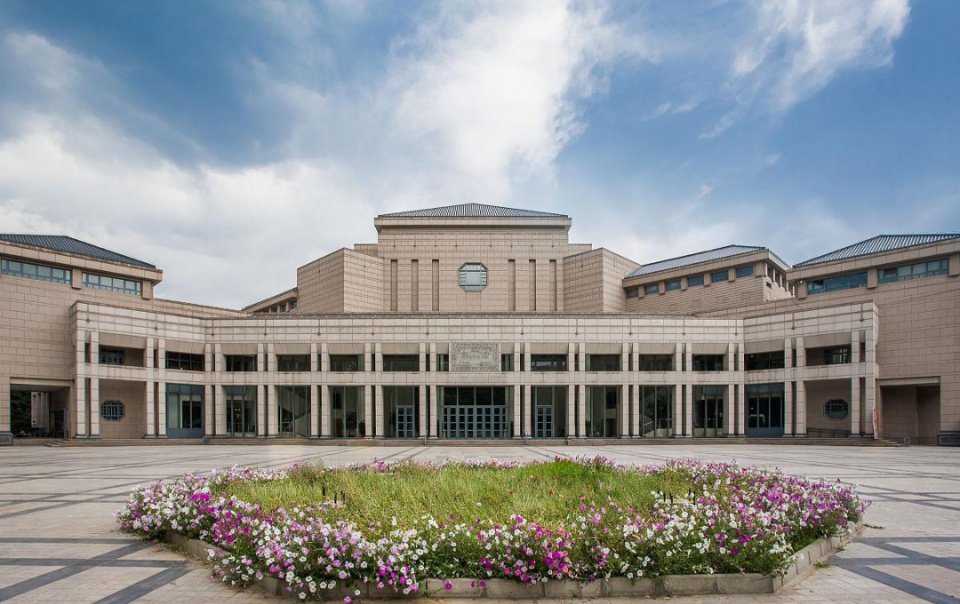
家月,你看,学校里有家电影院!
白家月
是啊,电影院还不小。
安妮
他们卖的电影票也很便宜。
白家月
天啊!有的还不到二十块钱。
安妮
那你想不想去看个电影?
白家月
还是别看电影了,北京大学就很好看!
提示Tips: “天啊”表示惊讶。这里“到”是“达到”的意思。 “天啊” is an exclamation showing surprise. Here, “到” means “reach”.
Annie: Jiayue, look! There is a cinema on campus!
Bai Jiayue: Yeah, and it's pretty big.
Annie: The movie tickets they sell are also very affordable.
Bai Jiayue: Goodness! Some are less than 20 yuan.
Annie: So, do you want to watch a movie?
Bai Jiayue: Let's not watch a movie now. Peking University itself is already fascinating!
Bai Jiayue: Yeah, and it's pretty big.
Annie: The movie tickets they sell are also very affordable.
Bai Jiayue: Goodness! Some are less than 20 yuan.
Annie: So, do you want to watch a movie?
Bai Jiayue: Let's not watch a movie now. Peking University itself is already fascinating!
课文4 Text 4
在北京大学门口,白家月给陈天中发信息。
问题: (1)北京大学有多少学生? (2)她们想再来北京大学做什么?
问题: (1)北京大学有多少学生? (2)她们想再来北京大学做什么?
北京大学很大,有四万多名学生。学校很漂亮,里边还有家电影院,电影票也不贵,我们有时间还想再过来看个电影。
Peking University is large, with a student population of over 40,000. The campus is beautiful, and there is a cinema on campus. Movie tickets are quite affordable, and when we have time, we'd like to come back to watch a movie.
生词 New Words
语法点 Grammer
1 固定格式“还是……吧” Fixed Pattern “还是……吧”
固定格式“还是……吧”表示倾向性选择,有“这么办比较好”的意思。例如:
The fixed pattern “还是……吧” is used to express a preferential choice, with the connotation that "this way is better". For example:
- (1) 我们还是打车去吧。
- (2) 那件衣服很好看,还是买那件吧。
- (3) 你第一次去北京,还是找个人接你吧。
2 用“多”表达概数 Expressing Approximate Numbers with “多”
“多”用在数词或数量词后,表示有零头。当数字是10的整数倍时,“多”一般用在数词后面;当数字不是10的整数倍时,“多”一般用在量词后面。例如:
- (1) 北京大学有四万多名学生呢! (40,000+)
- (2) 教室里有二十多个学生。 (20+)
- (3) 这两个苹果五块多钱。 (5.x yuan)
3 动词(短语)或主谓短语作定语 Verbs/Phrases as Attributives
动词或动词性短语、主谓短语用在名词前面,表示名词的特征或状态。例如:
- (1) 他们卖的电影票也很便宜。 (The tickets they sell...)
- (2) 现在学中文的学生很多。 (Students who learn Chinese...)
- (3) 这是朋友给我的杯子。 (The cup a friend gave me...)
中国文化及风土人情Chinese Culture and Customs
中国著名学府——北京大学 (Peking University)

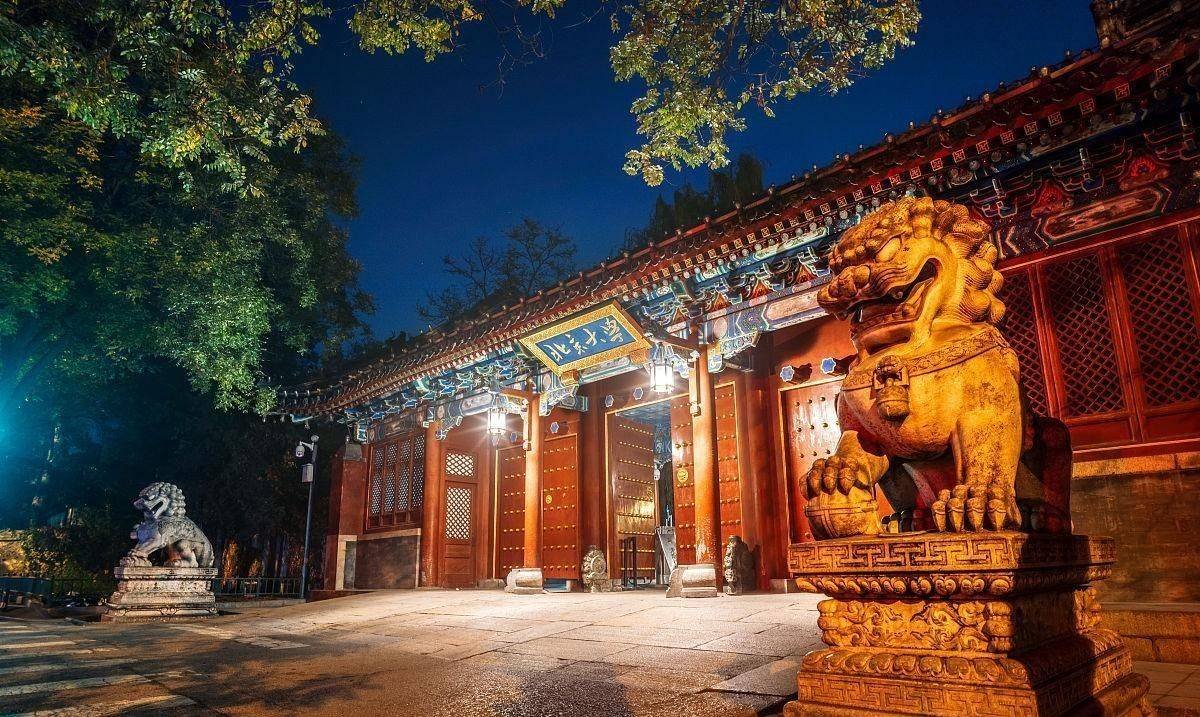
北京大学(PKU)是中国第一所国立综合性大学,被公认为中国最高学府之一,校园以优美的建筑和未名湖著称。
点击图片跳转至北京大学视频网查看更多。Click the image to jump to the Peking University Video Network for more content.