
Lesson 8: 虽然你忘了,但是我记得 Suīrán nǐ wàng le, dànshì wǒ jìde
目标 Objectives
- 能听懂并谈论生日的庆祝活动。Be able to understand and talk about birthday celebrations.
- 能听懂并使用“比”描述事物之间的差别。Be able to understand and use “比” to describe differences between things.
- 掌握转折复句“虽然……,但是……”的用法,能表达语义的转折。Master the use of the adversative complex sentence “虽然……,但是……” to express semantic contrast.
- 了解中国人对一些数字的喜好。Understand Chinese people's preferences for certain numbers.
热身 Warm-Up
1 给下面的词语选择对应的图片。Match the words with the pictures.
2 说说下列词语的反义词。Give the antonyms of the following words.
| ① 贵 (guì) | ________________ |
| ② 大 (dà) | ________________ |
| ③ 热 (rè) | ________________ |
| ④ 多 (duō) | ________________ |
| ⑤ 早 (zǎo) | ________________ |
课文1 Text 1
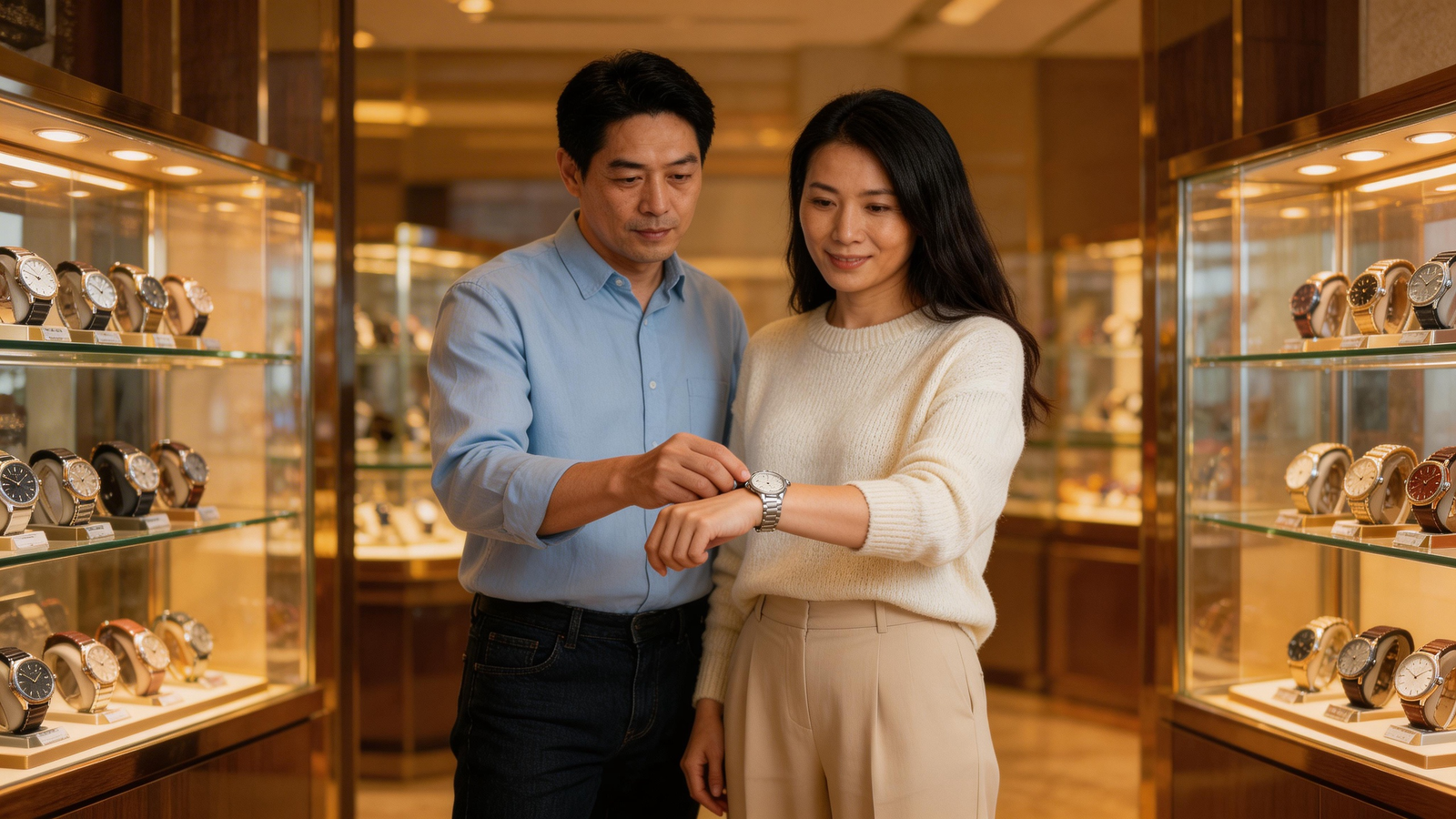
在商场,王一雪和刘明在购物。In the mall, Wang Yixue and Liu Ming were shopping.
听力问题: (1)王一雪和刘明在看什么? (2)王一雪和刘明看的东西多少钱?
王一雪
你看,这两块手表怎么样?
刘明
都不错!
王一雪
我喜欢左边这个。
刘明
我也觉得左边的比右边的好看。
王一雪
你看看要多少钱!
刘明
真不便宜!八千八!
Wang Yixue: Look, what do you think of these two watches?
Liu Ming: They're nice!
Wang Yixue: I prefer the one on the left.
Liu Ming: I think the one on the left looks better than the one on the right, too.
Wang Yixue: Check the price!
Liu Ming: It's not cheap! 8800 yuan!
Liu Ming: They're nice!
Wang Yixue: I prefer the one on the left.
Liu Ming: I think the one on the left looks better than the one on the right, too.
Wang Yixue: Check the price!
Liu Ming: It's not cheap! 8800 yuan!
课文2 Text 2
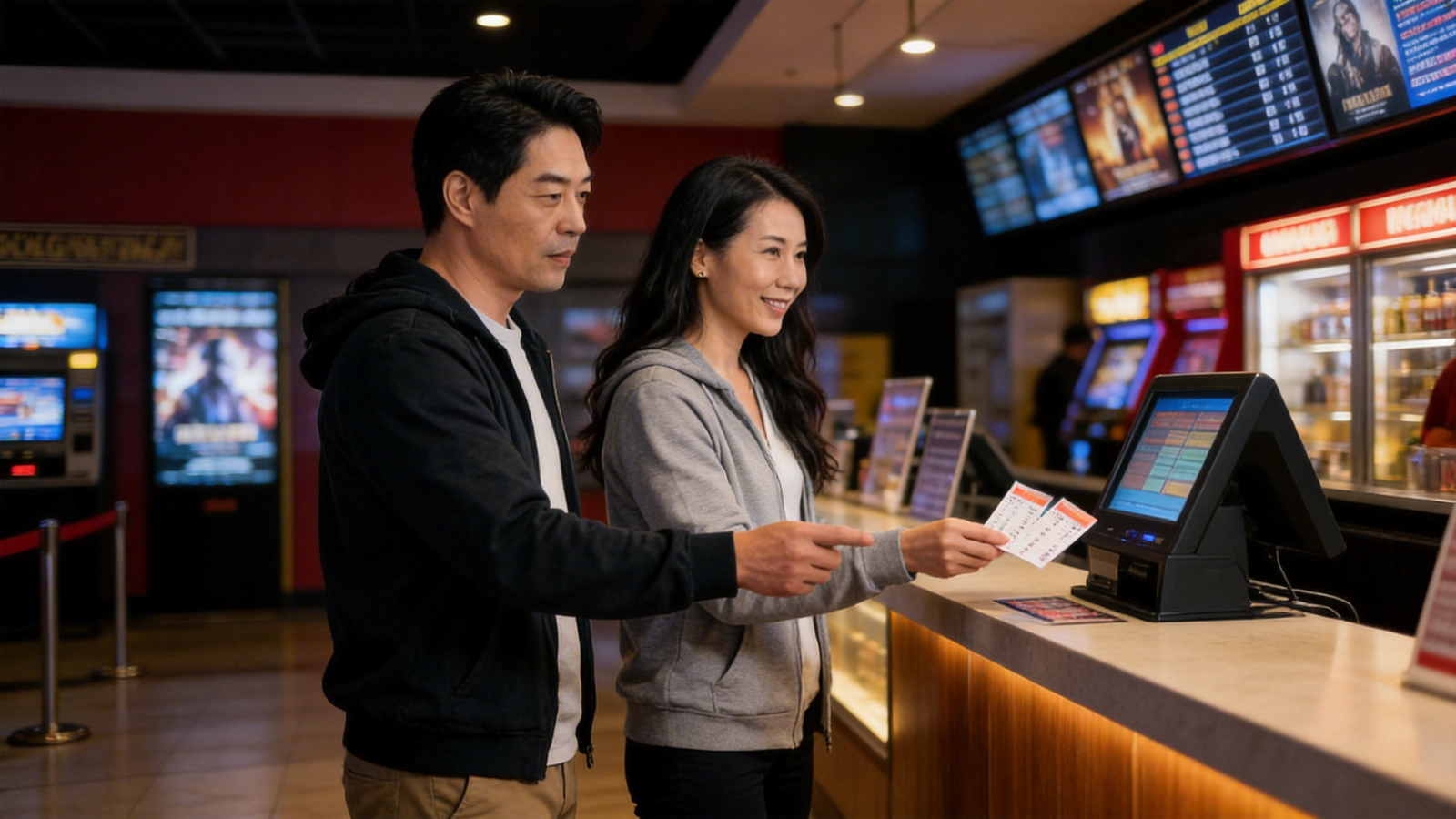
在电影院外面,王一雪和刘明在聊天儿。Outside the cinema, Wang Yixue and Liu Ming were chatting.
听力问题: (1)王一雪和刘明要去做什么? (2)王一雪要在哪儿买票?
刘明
今天有不少电影,我们看个电影吧。
王一雪
好啊!我们看哪个?
刘明
我记得你喜欢看爱情片,我们看那个爱情片,怎么样?
王一雪
还是看这个吧,我看网上说这个电影比那个爱情片更有意思。
刘明
好。我去买票。
王一雪
到网上买吧,网上买比在这里买便宜。
Liu Ming: There are quite a few movies showing today. Let's watch one.
Wang Yixue: Great! Which one should we watch?
Liu Ming: I remember you like romantic movies. How about that romantic one?
Wang Yixue: Let's watch this one instead. I read online that it's more interesting than that romantic one.
Liu Ming: Okay. I'll go buy the tickets.
Wang Yixue: Buy them online. It's cheaper to buy tickets online than here.
Wang Yixue: Great! Which one should we watch?
Liu Ming: I remember you like romantic movies. How about that romantic one?
Wang Yixue: Let's watch this one instead. I read online that it's more interesting than that romantic one.
Liu Ming: Okay. I'll go buy the tickets.
Wang Yixue: Buy them online. It's cheaper to buy tickets online than here.
课文3 Text 3
在饭馆,王一雪和刘明在点菜。At the restaurant, Wang Yixue and Liu Ming were ordering food.
听力问题: (1)今天是几月几号? (2)刘明给王一雪买了什么礼物?

刘明
您好!就要这几个菜吧,谢谢!
王一雪
怎么点这么多菜?
刘明
你想想,今天是几月几号?
王一雪
8月27号。啊!我的生日!
刘明
生日快乐!虽然你忘了,但是我记得。看看这是什么?
王一雪
手表!吃饭、看电影、买手表,今天花了不少钱吧?
刘明
虽然花了一些钱,但是我们过了一个快乐的生日。
Liu Ming: Hello! We'll have these dishes, thank you!
Wang Yixue: Why did you order so much?
Liu Ming: Think about it, what's the date today?
Wang Yixue: August 27th. Ah! My birthday!
Liu Ming: Happy birthday! Even though you forgot, I remembered. Look, what's this?
Wang Yixue: The watch! Having a dinner, watching a movie, and buying the watch. You must have spent quite a lot today, right?
Liu Ming: Although we spent some money, we celebrated a happy birthday.
Wang Yixue: Why did you order so much?
Liu Ming: Think about it, what's the date today?
Wang Yixue: August 27th. Ah! My birthday!
Liu Ming: Happy birthday! Even though you forgot, I remembered. Look, what's this?
Wang Yixue: The watch! Having a dinner, watching a movie, and buying the watch. You must have spent quite a lot today, right?
Liu Ming: Although we spent some money, we celebrated a happy birthday.
课文4 Text 4
判断正误: (1)丈夫忘了妻子的生日。 (2)妻子给丈夫买了一块手表。
虽然妻子忘了今天是自己的生日,但是丈夫记得。丈夫请妻子去饭馆吃饭、去电影院看电影,还给妻子买了一块非常漂亮的手表。妻子觉得今天很快乐。
提示 Tips: 这里“请”是“请客”的意思。Here, “请” means "to treat someone to a meal or something similar".

Although the wife forgot that today was her birthday, the husband still remembered. He took her to a restaurant, watched a movie, and even bought her a beautiful watch. She felt truly happy today.
生词 New Words
语法点 Grammar
1 比较句(1) Comparative Sentences (1)
本课学习用介词“比”来比较性质和状态差别的比较句。基本结构:A比B+形容词或形容词性短语。例如:
In this lesson, we learn to use the preposition “比” in comparative sentences to compare differences in nature and state. Basic structure: A比B+Adjective or Adjectival Phrase. For example:
- (1) 我也觉得左边的比右边的好看。
- (2) 今天比昨天冷。
- (3) 他觉得踢足球比打篮球有意思。
2 比较句(2) Comparative Sentences (2)
在用“比”的比较句中,形容词前不能用“很”“非常”等程度副词,可以用“还”和“更”表示程度加深。例如:
In comparative sentences with “比”, adverbs of degree such as “很” and “非常” cannot be used before the adjective, but “还” and “更” can be used to enhance the degree. For example:
- (1) 我看网上说这个电影比那个爱情片更有意思。
- (2) 今天比昨天更热。
- (3) 我觉得奶茶比牛奶还好喝。
3 转折复句“虽然……,但是……” Adversative Complex Sentence
“虽然……,但是……”构成转折复句,“虽然”和“但是”可以成对使用,也可以只用其中一个。例如:
“虽然……,但是……” forms an adversative complex sentence. The two words can be used in pairs or singly. For example:
- (1) 虽然你忘了,但是我记得。
- (2) 外边下雪了,但是不太冷。
- (3) 虽然觉得有点儿累,我还是走回家了。
中国文化及风土民情 Chinese Culture
中国人对数字的喜好 Chinese People's Preference for Numbers
在视频中了解中国人为什么喜欢数字“8”。Learn why Chinese people love the number "8".