
Lesson 13: 我的新邻居来自英国
目标 Objectives
- 能听懂并谈论不同地区生活习惯的差异。
Be able to understand and discuss differences in living habits across different regions. - 能听懂并使用感谢、祝福和夸赞等礼貌用语。
Be able to understand and use polite expressions of gratitude, good wishes, and compliments. - 掌握“一边...一边...”的用法,能描述同时进行的动作。
Master the use of "一边...一边..." to describe actions that take place simultaneously.
热身 Warm-Up
1 给下面的词语选择对应的图片。Match the words with the pictures.
2 两人一组,根据实际情况对话。Work in pairs and have a dialogue based on real-life situations.
(1) 你去朋友家做客会带什么礼物?为什么?
What gift would you bring when visiting a friend's house? Why?
(2) 朋友来你家做过客吗?你们一起做什么了?
Has a friend ever visited your house? What did you do together?
课文 1 Text 1
(1) 关于这家饭馆,可以知道什么?
A 是一家面馆 B 鱼做得不好吃 C 是南方菜饭馆
(2) 南方菜和北方菜有什么不一样?
A 做法不同 B 用的肉不同 C 吃的鱼不同

在饭馆,杨同乐请同事吃饭。
At the restaurant, Yang Tongle treated his colleagues to dinner.
(1) 这家饭馆什么菜做得很特别?
(2) 王一雪为什么要请同事去她家?
(3) 王一雪打算给大家做什么菜?
课文 2 Text 2
(1) 王一雪和刘明在做什么?
A 找东西 B 打扫房子 C 准备请客
(2) 王一雪为什么很担心?
A 东西都没准备好 B 饮料和酒找不到了 C 第一次请新邻居来做客
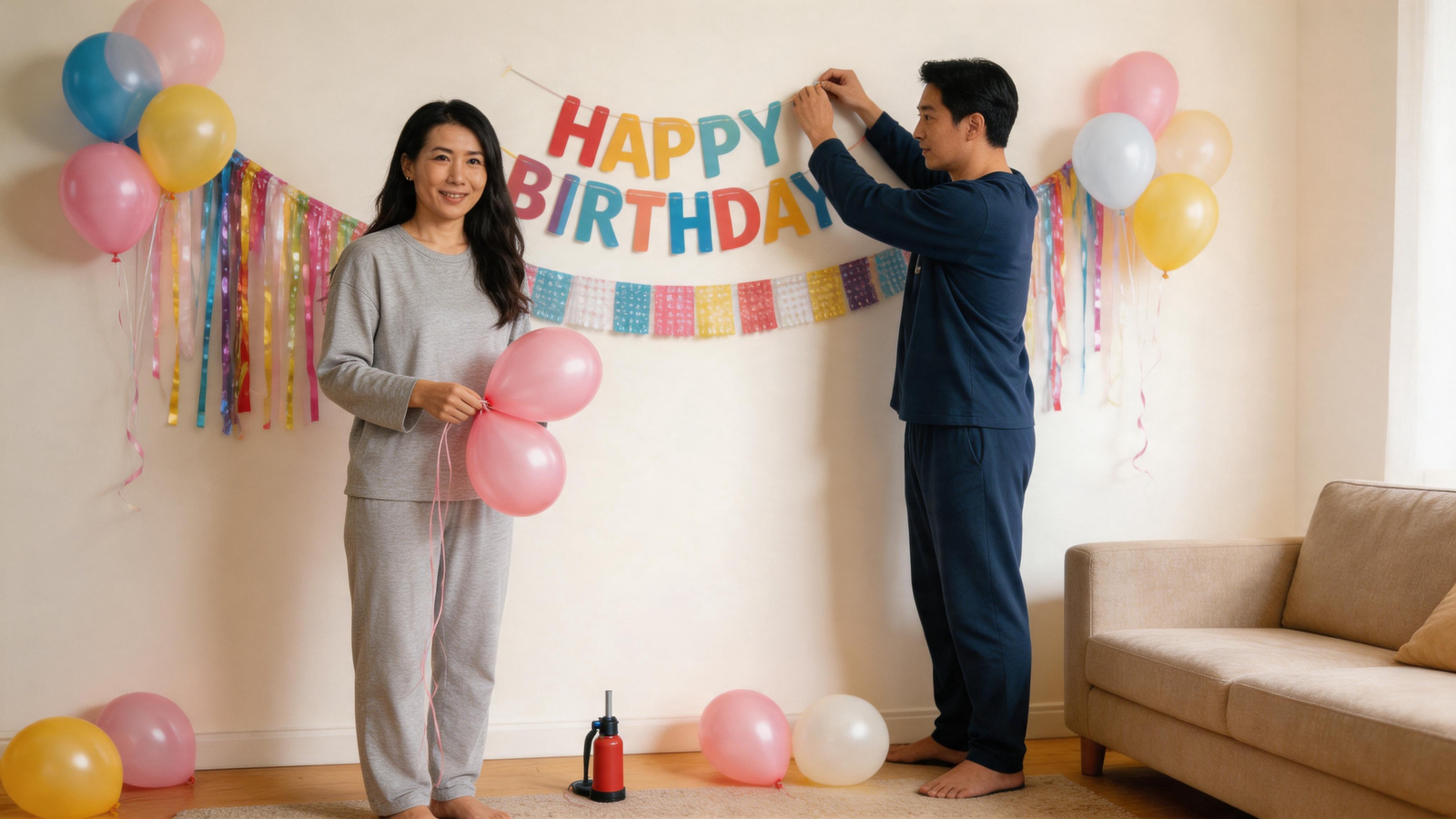
在家里,王一雪和刘明为生日会做准备。
At home, Wang Yixue and Liu Ming were getting ready for the birthday party.
(1) 王一雪刚才把什么拿出来了?
(2) 刘明把饮料和酒放在哪儿了?
(3) 刘明觉得音乐的声音合适吗?
课文 3 Text 3
(1) 朋友们为什么来王一雪家?
A 她过生日 B 她喜欢请客 C 她儿子过生日
(2) 王一雪和朋友现在准备做什么?
A 吃蛋糕 B 一起画画 C 吃北京菜
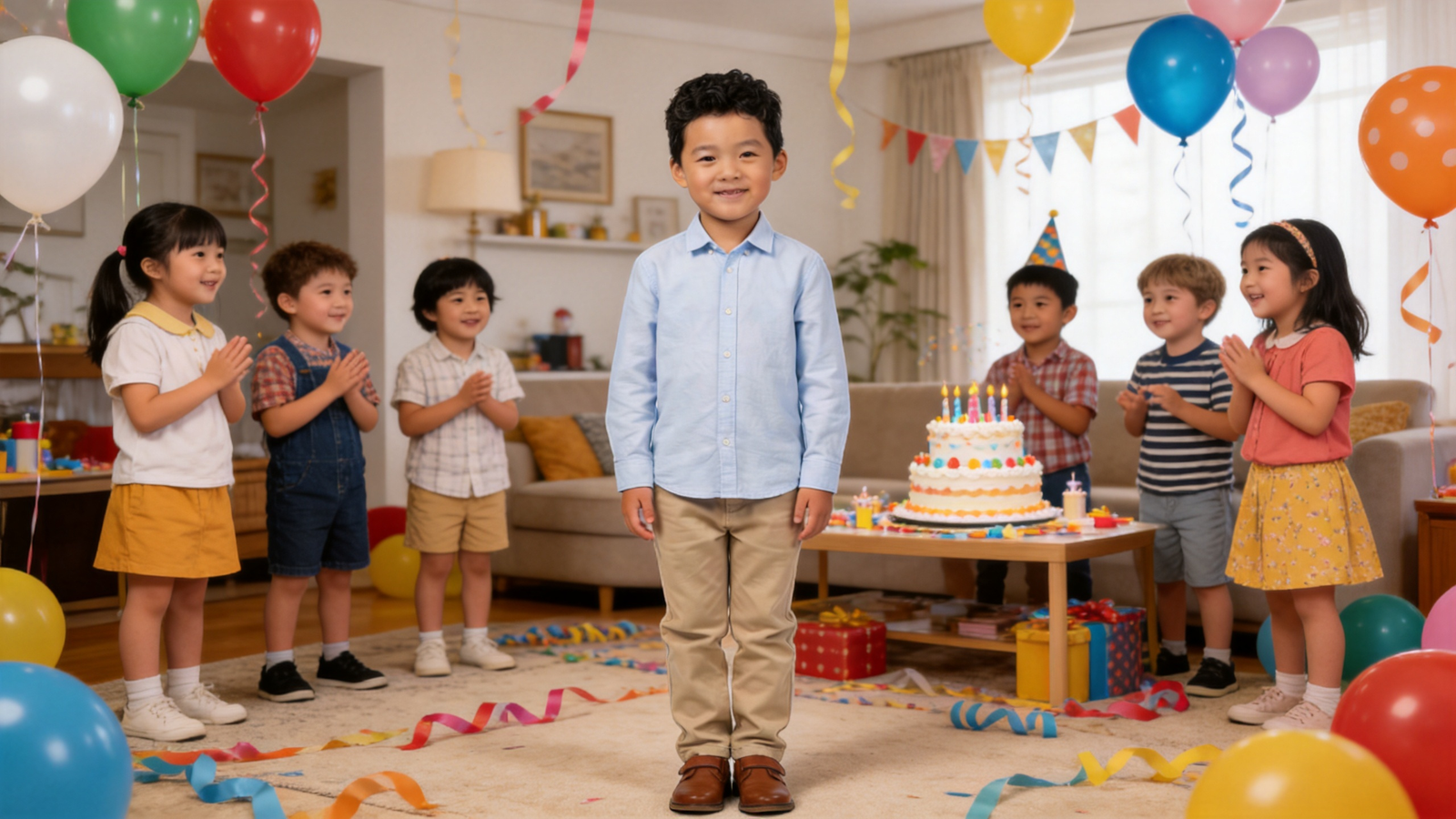
在家里,王一雪和刘明办生日会。
At home, Wang Yixue and Liu Ming were holding a birthday party.
提示 Tips
前缀、后缀 Prefixes and Suffixes
在汉语里,有一些语素可以作为“前缀”或“后缀”来组成新词,这些新词的意思和原来的语素有关系。
In Chinese, some morphemes can function as prefixes or suffixes to form new words whose meanings are semantically linked to the original morphemes.
1. 前缀“老”(lǎo)放在人的前面,表示这个人年龄大或很有经验:老张、老师。
The prefix “老”(lǎo), when placed before a person's surname or title, indicates that the person is older or highly experienced, such as in 老张 (Lao Zhang) or 老师 (teacher).
2. 后缀“员”表示从事某种工作或有某种身份的人:球员、服务员、运动员。
The suffix “员” indicates a person with a specific job or role, such as in 球员 (player), 服务员 (waiter/waitress), or 运动员 (athlete).
3. 后缀“家”表示在某一领域有专长或成就的人:画家、音乐家。
The suffix “家” indicates a person with expertise or outstanding achievement in a specific field, such as in 画家 (painter) or 音乐家 (musician).
(1) 杨同乐送给刘小明什么礼物?
(2) 刘小明收到礼物后说什么了?
(3) 刘小明以后想做什么?
课文 4 Text 4
(1) 王一雪家的新邻居是什么人?
A 中国人 B 英国夫妻 C 不会说中文的人
(2) 王一雪请邻居来家里做什么?
A 教他们说中文 B 请他们吃中国菜 C 给他们讲旅游的事
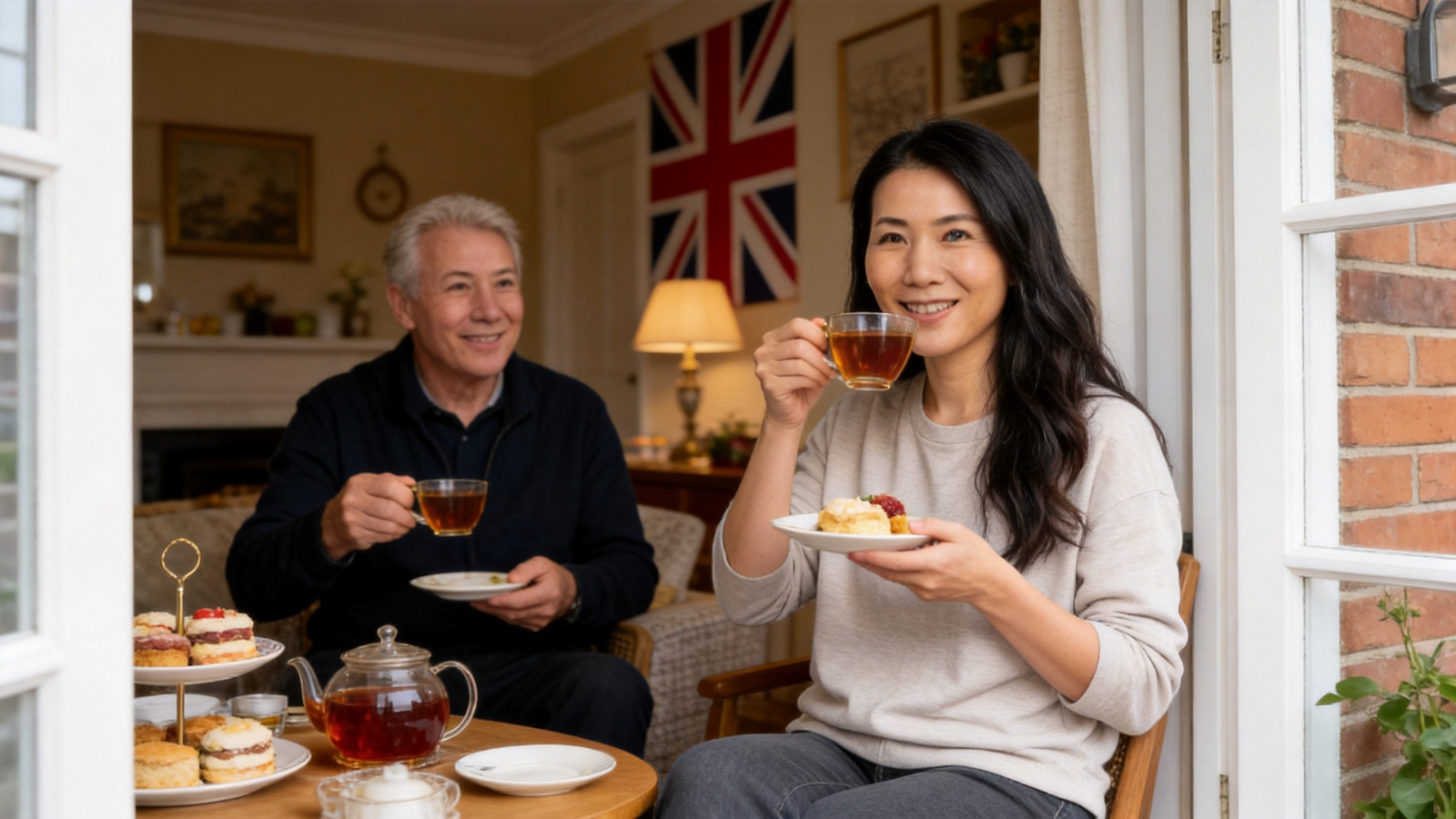
在家里,王一雪在写日记。
At home, Wang Yixue was writing in her diary.
(1) 上周王一雪去邻居家做什么了?
(2) 邻居家的世界地图有什么特别的?
(3) 她的邻居为什么学习中文?
生词 New Words
语法点 Grammar
1 假设复句“……的话,就……”
Hypothetical Complex Sentence "...的话, 就..."
前一分句表示假设的情况,后一分句表示产生的结果或得出的结论,多用于口语。
The first clause presents a hypothetical situation, while the second expresses the result. Mainly used in colloquial speech.- (1) 你们有时间的话,就来我家做客。
- (2) 你觉得满意的话,咱们就买。
- (3) 明天天气好的话,我就去爬山。
2 把字句(4)
“把” Sentence (4)
动词后使用趋向补语或状态补语,表示动作对确定的人或事物产生位置或者状态变化的影响。
A complement of direction or state is used after the verb to indicate a change in position or state.- (1) 你把声音开得太大了。
- (2) 他把球踢进去了吗?
- (3) 你把字写得太小了,我看不清楚。
3 并列复句“一边……,一边……”
Coordinate Complex Sentence “一边……,一边……”
表示两个动作同时进行,可以紧缩为“边……边……”。
Indicates that two actions take place simultaneously.- (1) 咱们一边吃蛋糕,一边聊天儿吧。
- (2) 我喜欢一边跑步,一边听音乐。
- (3) 你不应该边开车边打电话。