
Lesson 15: 我是半个南京人
目标 Objectives
- 能听懂并描述某地的位置和环境信息。
Be able to understand and describe the location and environment of a place. - 能听懂并介绍某地的自然景观或历史文化。
Be able to understand and introduce the natural scenery, history, or culture of a place. - 掌握“在………………看来”短语,能表达个人或某个群体的观点。
Master the use of the phrase “在………………看来” to express personal or group viewpoints. - 了解南京和黄河的基本情况。
Learn about Nanjing and the Yellow River.
热身 Warm-Up
1 给下面的词语选择对应的图片。Match the words/phrases with the pictures.
2 两人一组,根据实际情况对话。Work in pairs and have a dialogue based on real-life situations.
(1) 你喜欢住在大城市吗?为什么?
Do you like living in a big city? Why?
(2) 你家附近环境怎么样?你觉得住在那里方便吗?
What is the environment like around your home? Do you find it convenient to live there?
课文 1 Text 1
(1) 杨同乐和王一雪在说什么?
A 小区里的老人 B 小区里的孩子 C 蓝天小区怎么样
(2) 杨同乐为什么对蓝天小区感兴趣?
A 他想搬家 B 他想买房子 C 他想跟王一雪做邻居

在办公室里,王一雪和杨同乐在聊天儿。
In the office, Wang Yixue and Yang Tongle were chatting.
(1) 蓝天小区附近买东西方便吗?
(2) 蓝天小区的孩子们放学后都在哪里玩?
(3) 蓝天小区为老人做什么了?
课文 2 Text 2
(1) 王一雪和杨同乐在聊什么?
A 在南京旅游 B 下班后吃什么 C 杨同乐的大学
(2) 南京是一个什么样的城市?
A 有很多游客去旅游 B 有一千年以上的历史 C 有很多南京人不知道的景点

在办公室里,王一雪和杨同乐在聊天儿。
In the office, Wang Yixue and Yang Tongle were chatting.
(1) 王一雪了解南京吗?
(2) 杨同乐为什么了解南京?
(3) 王一雪为什么请杨同乐吃晚饭?
课文 3 Text 3
(1) 王一雪和刘小明在聊什么?
A 最长的河 B 黄河的历史 C 学校的作业
(2) 刘小明对黄河了解多少?
A 一点儿都不了解 B 了解一些 C 什么都知道
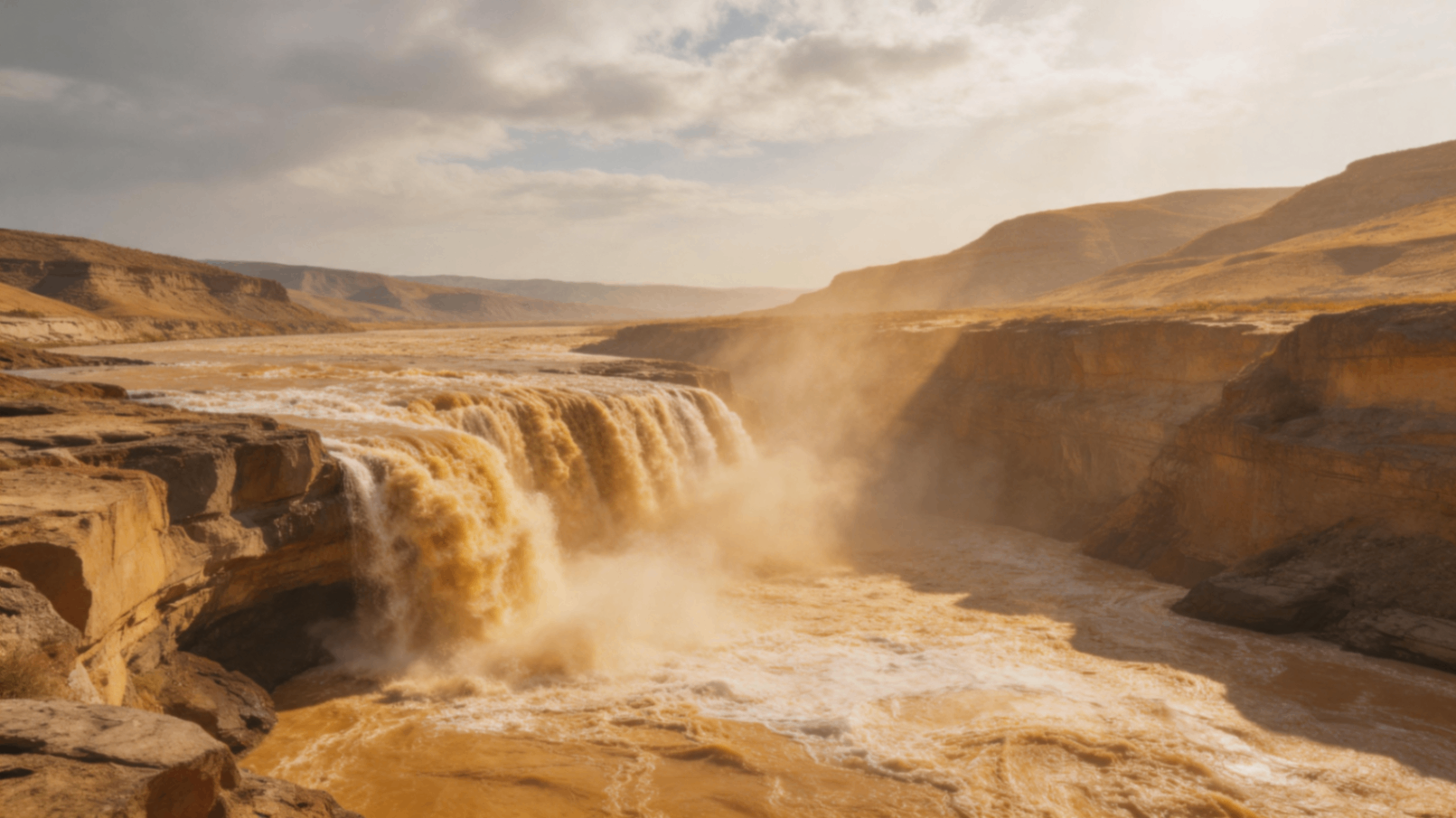
在家里,王一雪和刘小明在聊天儿。
At home, Wang Yixue and Liu Xiaoming were chatting.
(1) 黄河的名字为什么跟“黄”这个颜色有关系?
(2) 黄河是中国最长的河吗?
(3) 在中国人看来,黄河像什么一样?为什么?
课文 4 Text 4
(1) 王一雪小时候住的地方是什么样的?
A 她家住在河边 B 她家在北京的南边 C 离她家很远的地方有一条河
(2) 遇到不开心的事情,王一雪怎么办?
A 去河里游泳 B 去河边坐着 C 一个人在家
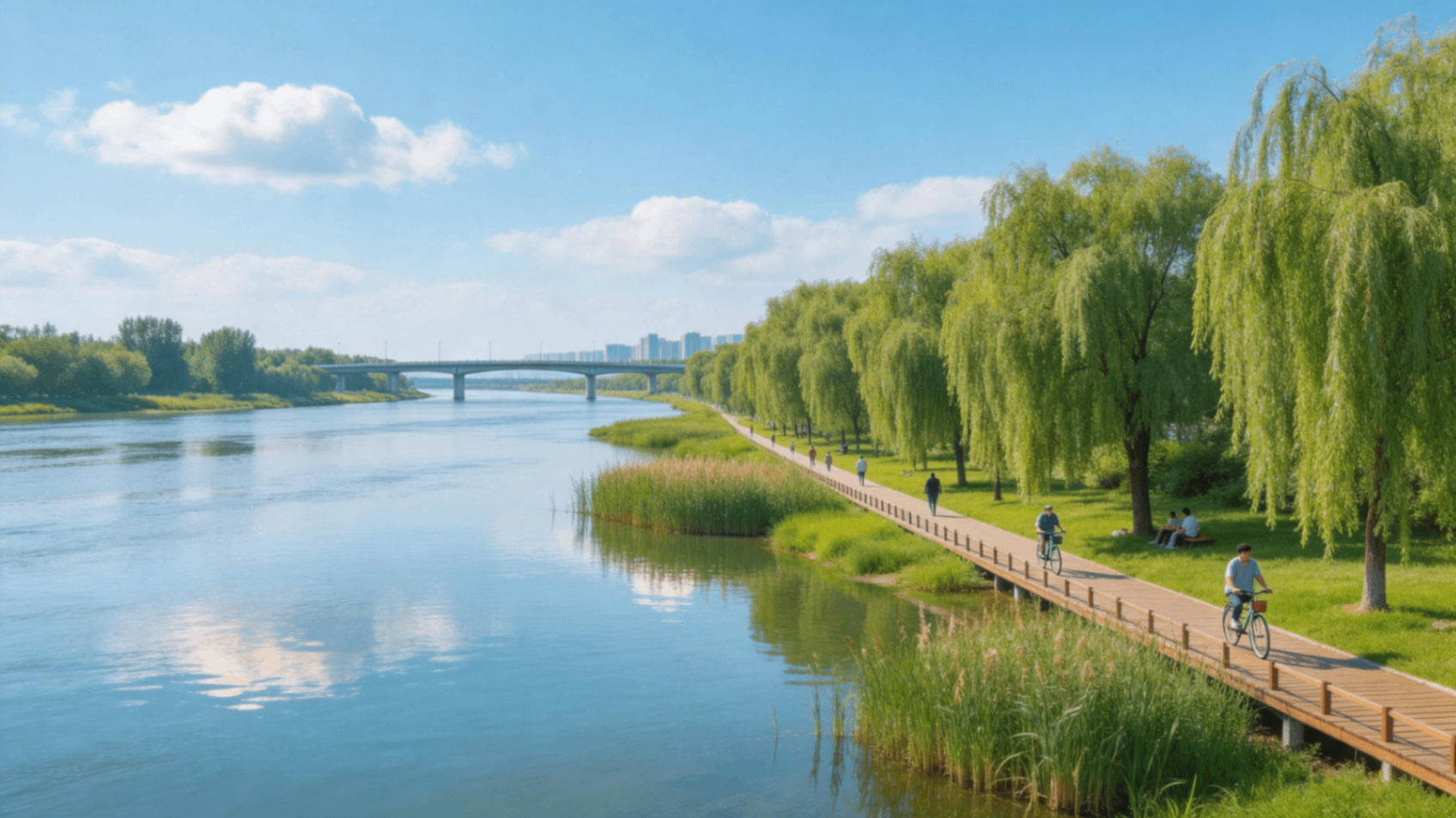
在家里,王一雪在写日记。
At home, Wang Yixue was writing in her diary.
(1) 王一雪小时候住的地方环境怎么样?
(2) 小时候,王一雪一到夏天就做什么?
(3) 长大以后,王一雪会去河边做什么?
生词 New Words
语法点 Grammar
1 介词“根据” Preposition “根据”
介词“根据”在句子中引出事情的依据或理由。例如:
The preposition “根据” is used to introduce the basis or reason for an action in a sentence. For example:- (1) 这几年小区根据他们的需要,有了很多变化。
- (2) 根据要求,我们必须参加明天的会议。
- (3) 老师根据每个学生的兴趣,选择了不一样的书。
2 数量重叠“数词+量词+数词+量词” Reduplication of Numeral-Measure Word Phrases
数量短语可以重叠,重叠后可作状语,一般表示动作的方式,有形象化的作用。基本结构:数词+量词+数词+量词+(地)+动词。例如:
Numeral-measure word phrases can be reduplicated and used as adverbials. The reduplication usually indicates the manner of an action and adds a vivid, descriptive effect. Basic structure: Numeral+Measure Word+Numeral+Measure Word+(地)+Verb. For example:- (1) 我得一点儿一点儿给您讲。
- (2) 学生们的汉语水平一天一天地提高了。
- (3) 他们两个两个地走进去了。
3 固定短语“在………………看来” Set Phrase “在………………看来”
固定短语“在………………看来”表示个人或某个群体的观点。例如:
The set phrase “在………………看来” is used to express the viewpoint of an individual or a group. For example:- (1) 在我们中国人看来,黄河像妈妈一样,养了我们几千年。
- (2) 在同事们看来,她工作非常认真。
- (3) 在我看来,每天读书是一种很好的习惯。
4 固定短语“不一会儿” Set Phrase “不一会儿”
固定短语“不一会儿”表示很短的时间,在句中作状语,多用于口语。例如:
The set phrase “不一会儿” means "in a short while". It functions as an adverbial in sentences and is commonly used in colloquial speech. For example:- (1) 难过的事情不一会儿就忘了。
- (2) 不一会儿,张校长就来了。
- (3) 两个小时看起来长,但是不一会儿就过去了。