
Lesson 7: 那条裙子比短裤更好看
目标 Objectives
- 能听懂并介绍购物的经历。 Be able to understand and talk about shopping experiences.
- 能听懂并评价商品的特点。 Be able to understand and evaluate the characteristics of products.
- 掌握比较句(10)的用法,能对商品进行比较。 Master the use of comparative sentences (10) to compare products.
- 了解中国人的购物方式。 Understand Chinese shopping habits.
热身 Warm-Up
1 根据图片写出合适的量词。Write the correct measure words according to the pictures.
2 两人一组,根据实际情况对话。Work in pairs and have a dialogue based on real-life situations.
(1) 你喜欢在网上买东西吗?为什么? Do you like shopping online? Why?
(2) 你会去商店买什么东西?为什么? What do you go to stores to buy? Why?
课文 1 Text 1
听两遍对话,选择正确答案。
(1) 小雪的自行车是什么时候买的?
A 昨天买的 | B 今天买的 | C 她八岁的时候买的
(2) 他们怎么去商场?
A 走路 | B 打车 | C 骑自行车
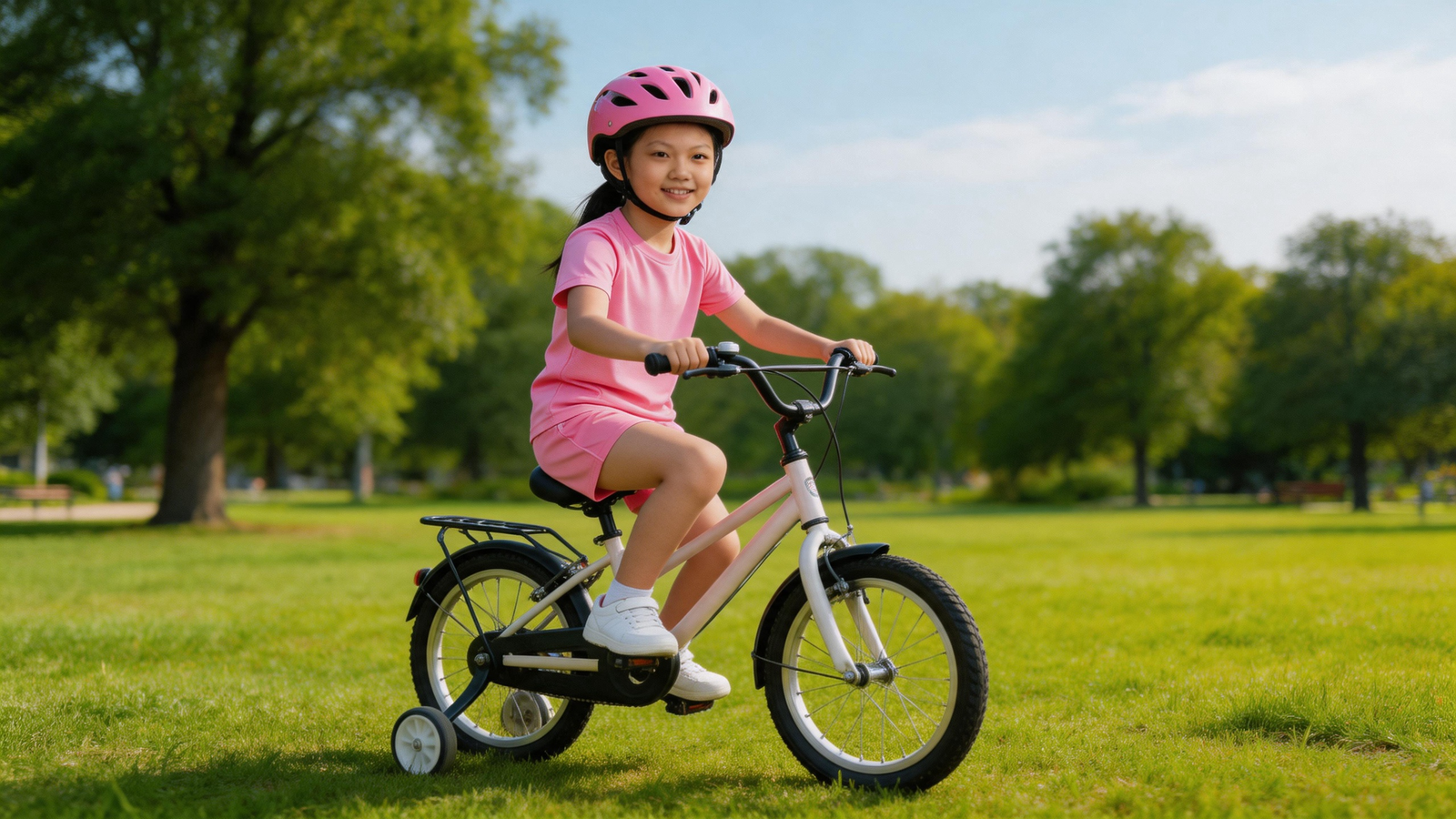
在家里,王一雪和刘明商量去买东西。
分角色朗读对话,读后回答问题。
(1) 他们为什么想给小雪买新自行车?
(2) 他们为什么想带小雪一起去?
(3) 王一雪还想买什么?
课文 2 Text 2
听两遍对话,选择正确答案。
(1) 课文里说,下面哪个更贵?
A 短裤 | B 裙子 | C 运动鞋
(2) 王一雪后来是怎么决定的?
A 买裙子 | B 买裤子 | C 看看再说

在商场,刘明和王一雪买完自行车,又来挑选衣服。
比较句中的形容词前面可以用副词“还”或者“更”表示程度加深。
In comparative sentences, the adverb “还” or “更” can be placed before the adjective to indicate a deeper degree.
“买二送一”是商店打折时常用的表达,意思是“你买两个东西,商家送你一个同样的东西”。
"Buy Two, Get One Free" is a common expression used when stores offer discounts. It means "If you buy two items, the merchant gives you one of the same item for free".
分角色朗读对话,读后回答问题。
(1) 刘明觉得短裤怎么样?
(2) 王一雪为什么不想买裙子?
(3) 裙子比短裤贵多少?
课文 3 Text 3
听两遍对话,选择正确答案。
(1) 王一雪在买什么?
A 苹果 | B 牛奶 | C 西瓜和香蕉
(2) 这些水果一共花了多少钱?
A 五十五块 | B 五十八块 | C 五十八块五毛

在商店,王一雪在买东西。
“不甜不要钱”常用在广告语中,完整语句应该是:“如果这个西瓜不甜,我们就不收钱。” 这是商家为了推销商品常用的一种夸张说法。
"Free if it isn't sweet" is a phrase commonly used in advertising slogans. The complete sentence should be: "If this watermelon isn't sweet, we won't charge you."
分角色朗读对话,读后回答问题。
(1) 西瓜多少钱一斤?
(2) 王一雪买了什么水果?
(3) 店员给王一雪便宜了多少钱?
课文 4 Text 4
听两遍课文,选择正确答案。
(1) 刘明发现了什么新问题?
A 电视太旧了 | B 房子太大了 | C 电视有点儿小
(2) 刘明选电视的时候发现了什么?
A 新电视很方便 | B 新电视不便宜 | C 不能在网上选电视

在家里,刘明在看电视。
朗读课文,读后回答问题。
(1) 刘明家的电视是什么时候买的?
(2) 刘明想在哪儿买新电视?
(3) 刘明为什么觉得新电视用着很方便?
生词 New Words
语法点 Grammar
1 连动句(2) Serial Verb Sentences (2)
动态助词“着”用于连动句的第一个动词后面,表示进行第二个动作时的状态或方式。
The aspect particle “着” is used after the first verb in a serial verb sentence to indicate the state or manner of the second action.- (1) 咱们可以走着去。
- (2) 弟弟吃着苹果写作业。
- (3) 他们坐着看电视。
2 比较句(10) Comparative Sentences (10)
“A不比B+形容词”的意思是A和B差不多。这个结构通常用于强调两者情况接近,或反驳别人说法的语境中。
The pattern “A不比B+Adjective means that A and B are about the same. It is often used to emphasize that the two situations are close, or to refute someone else's statement.- (1) 裙子不比短裤贵多少。
- (2) 他的中文不比你好。
- (3) 他跑得不比我快多少。
3 程度补语(3) Complement of Degree (3)
程度补语“极了”用在形容词或心理动词后面,表示人或事物的性质或者状态,或人的心理感受达到很高的程度。
The complement of degree “极了” is used after an adjective or a psychological verb to indicate that the nature or state of a person or thing reaches a very high degree.- (1) 这块冰西瓜甜极了。
- (2) 今年夏天热极了。
- (3) 这本书我喜欢极了。
4 递进复句“不但……,而且……” Progressive Complex Sentence
递进复句“不但……,而且……”连接两个分句,表示递进关系。如果两个分句的主语相同,那么“不但”要放在第一个主语后面;如果两个分句的主语不同,那么“不但”要放在第一个主语的前面。
The progressive complex sentence “不但……,而且……” connects two clauses to indicate a progressive relationship. If the subjects are the same, “不但” is placed after the first subject. If the subjects are different, “不但” is placed before the first subject.- (1) 现在的电视不但便宜,而且用着非常方便。
- (2) 家月不但喜欢唱歌,而且唱得很好听。
- (3) 不但家月会说汉语,而且天中也会说汉语。